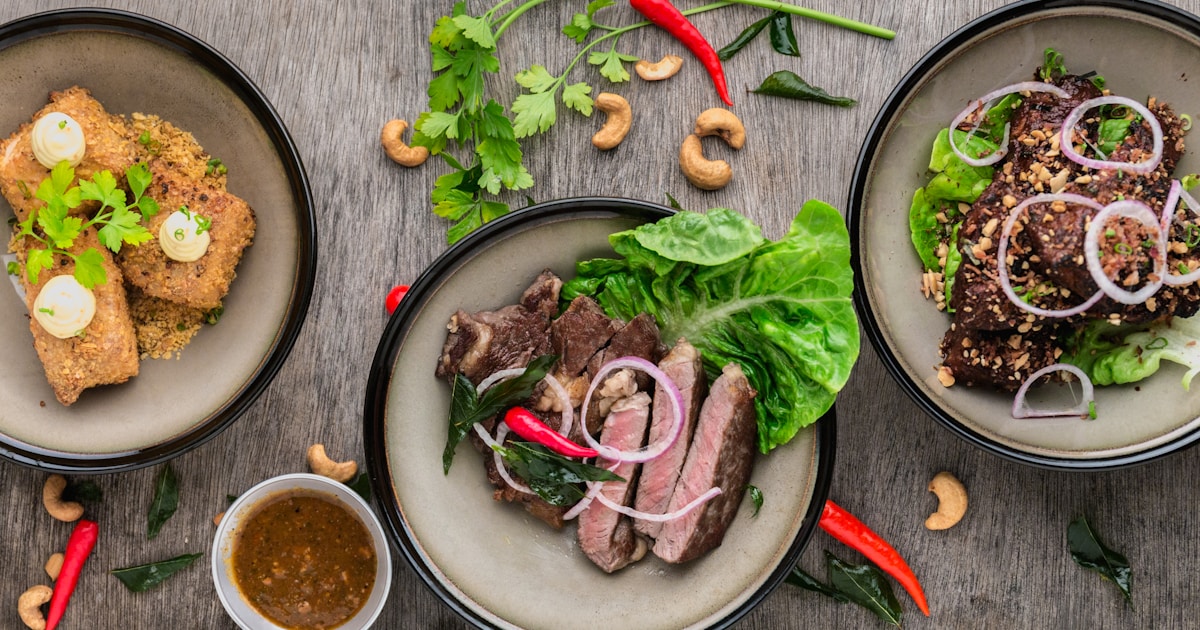
Adding Wild Boar to Your Menu
1,345 字
Wild boar represents both tremendous opportunity and significant challenge for restaurant operators. When executed properly, it differentiates your establishment, commands premium pricing, and creates memorable dining experiences. When handled poorly, it confuses customers, strains kitchen operations, and can damage your reputation.
The key lies in strategic menu integration that educates rather than intimidates, creates value perception without alienating unfamiliar diners, and operates efficiently within your kitchen's capabilities. Wild boar success requires more than simply substituting it for pork—it demands thoughtful positioning, staff education, and operational planning.
Market Positioning: Finding Your Wild Boar Niche
Fine Dining Integration: High-end restaurants can position wild boar as a premium protein that justifies elevated pricing. Emphasize seasonality, local sourcing, and traditional preparation methods. Frame wild boar within the context of authentic Japanese mountain cuisine or seasonal kaiseki progression.
Present wild boar as part of your restaurant's commitment to exceptional, hard-to-find ingredients. Guests dining at fine establishments often seek experiences they cannot recreate at home—wild boar delivers this exclusivity while demonstrating culinary expertise.
Casual Dining Approach: Mid-market restaurants succeed with wild boar by focusing on approachability and value. Present it as "premium pork with more flavor" rather than exotic game meat. Use familiar preparations—curry, ramen, gyoza—that provide comfort while introducing new flavors.
Emphasize the health benefits: leaner than regular pork, higher protein, no artificial additives. Position wild boar as the natural, healthier choice for health-conscious diners willing to pay slightly more for better quality.
Izakaya and Pub Style: Informal establishments can treat wild boar as elevated comfort food. Boar ramen, wild boar karaage, or boar yakitori create approachable introductions to game meat while maintaining casual atmosphere.
Use wild boar to differentiate your izakaya from chain competitors. Regular customers appreciate having unique options unavailable elsewhere, while new customers gain talking points that encourage return visits and word-of-mouth recommendation.
Pricing Strategy: Capturing Value Without Pricing Out
Cost Analysis: Wild boar typically costs 40-60% more than equivalent domestic pork cuts. However, its intense flavor means smaller portions provide greater satisfaction. Factor this into your pricing—a 150g wild boar portion often satisfies as much as a 200g pork portion.
Calculate food cost percentages based on actual portion satisfaction rather than raw weight comparisons. Wild boar's superior flavor density often justifies 25-30% price premiums while maintaining acceptable food cost ratios.
Menu Price Positioning: Avoid making wild boar your most expensive protein unless your positioning supports it. Instead, price it between premium pork and beef options. This creates a "premium but accessible" position that attracts adventurous diners without shocking price-sensitive customers.
Seasonal Pricing: Adjust wild boar prices based on seasonal availability and quality. Winter boar commands higher prices due to superior fat content and flavor, while spring boar might be priced more competitively to move inventory.
Consider offering wild boar at different price points: premium loin preparations at higher prices, shoulder-based dishes at moderate premiums, and ground boar applications at minimal upcharges from regular pork.
Customer Education: Selling the Story
Menu Descriptions That Sell: Avoid using "gamey" or other potentially negative descriptors. Instead, emphasize positive attributes: "rich and nutty flavor from natural acorn diet," "lean, high-protein alternative to regular pork," "traditional mountain cuisine ingredient."
Tell the story: "Wild boar from Kyushu mountains, sustainably harvested, naturally raised on acorns and mountain plants." Customers appreciate knowing the source and care behind their food.
Staff Training Essentials: Train all front-of-house staff to describe wild boar accurately and enthusiastically. Common customer questions include:
- "How is it different from regular pork?"
- "Is it tough or strong-tasting?"
- "How is it prepared?"
- "Why is it more expensive?"
Provide tasting opportunities for staff so they can speak from experience. Staff who have tasted the dish sell it more effectively than those working from menu descriptions alone.
Handling Objections: Prepare responses for common concerns:
- "Too gamey" → Explain preparation methods that highlight rather than mask natural flavors
- "Never tried game meat" → Offer smaller tasting portions or recommend milder preparations
- "Too expensive" → Emphasize quality, uniqueness, and smaller portion satisfaction
Supplier Relationships: Ensuring Consistent Quality
Sourcing Reliability: Wild boar availability varies seasonally and annually. Develop relationships with multiple suppliers to ensure consistent access. Include backup options for times when wild boar is unavailable.
Establish clear quality specifications: age preferences, size ranges, processing requirements. Consistent quality standards prevent kitchen problems and customer disappointment.
Inventory Management: Wild boar's shorter shelf life requires careful inventory planning. Order based on realistic sales projections rather than optimistic hopes. Overordering leads to waste and financial losses.
Plan menu cycles around supplier availability. Seasonal wild boar menus create anticipation while working within natural supply constraints.
Price Management: Negotiate transparent pricing structures that account for seasonal variations. Understanding supplier cost pressures helps plan menu pricing and manage food cost percentages.
Consider longer-term purchasing agreements for consistent pricing, but balance this against storage limitations and quality concerns.
Kitchen Integration: Operational Considerations
Equipment Requirements: Wild boar requires no specialized equipment beyond what most professional kitchens already possess. However, longer braising times for tougher cuts may require scheduling adjustments during busy service periods.
Plan prep schedules around wild boar's longer cooking times. Some preparations benefit from advance preparation, while others must be finished to order.
Staff Training: Kitchen staff need training on wild boar's different characteristics:
- Leaner than pork, easier to overcook
- More collagen in shoulder cuts, requires longer braising
- Different fat melting points affect cooking techniques
- Temperature monitoring more critical than with domestic meats
Waste Management: Wild boar's higher cost makes waste prevention critical. Train staff on proper storage, rotation, and preparation techniques. Develop systems for using trim in secondary applications like sausages or stock.
Menu Engineering: Creating Successful Dishes
Gateway Preparations: Introduce wild boar through familiar formats. Wild boar gyoza, ramen, or curry provide comfortable entry points for hesitant customers. Once customers taste wild boar in familiar contexts, they become more adventurous with traditional preparations.
Seasonal Menus: Align wild boar offerings with seasonal eating patterns. Heavy braises work well in winter, lighter preparations suit spring and summer. This natural alignment creates logical menu cycles.
Portion Strategy: Consider offering wild boar in multiple formats: full entrée portions for committed customers, smaller tasting portions for newcomers, and shared plates for groups wanting to try something new together.
Successful Case Studies
High-End Ryokan Success: A luxury mountain ryokan increased average check size by 15% after introducing a seasonal wild boar kaiseki menu. They positioned it as authentic mountain cuisine, charged premium prices, and achieved 90% customer satisfaction ratings.
Key factors: staff expertise, seasonal positioning, premium but not excessive pricing, and authentic preparation methods.
Urban Izakaya Growth: A Tokyo izakaya used wild boar ramen and yakitori to differentiate from chain competitors. Wild boar items comprised 20% of sales within six months, with higher profit margins than regular menu items.
Success elements: approachable preparations, enthusiastic staff recommendations, competitive but not intimidating pricing, and consistent quality execution.
Casual Dining Integration: A family restaurant added wild boar curry to their menu as a "premium option." Despite 30% higher pricing than regular curry, it became their third-best-selling entrée within four months.
Critical factors: clear value communication, staff training, quality consistency, and positioning as "better, not weird."
Marketing and Promotion
Social Media Strategy: Wild boar photographs beautifully and generates social media engagement. Document preparation processes, seasonal sourcing stories, and finished dishes to create shareable content.
Seasonal Campaigns: Time promotional efforts around natural wild boar seasons. Fall and winter marketing emphasizes comfort and tradition, spring campaigns focus on health and renewal.
Educational Content: Create content that educates customers about wild boar: nutrition benefits, sourcing stories, preparation methods. Educated customers become advocates who recommend your restaurant to others.
Common Mistakes to Avoid
- Over-complicating preparations: Simple techniques often work best with wild boar's complex natural flavors
- Inadequate staff training: Uninformed staff cannot sell wild boar effectively
- Inconsistent sourcing: Quality variations damage customer confidence
- Poor inventory management: Overordering leads to waste and financial losses
- Inappropriate pricing: Too high scares customers away, too low devalues the product
Key Takeaways
Successfully adding wild boar to your menu requires strategic thinking beyond simple protein substitution. Focus on customer education, staff training, operational planning, and positioning that creates value without intimidation. When executed thoughtfully, wild boar enhances your restaurant's reputation while improving profitability through premium pricing and customer loyalty.
For comprehensive information about sourcing and preparing wild game in modern Japanese cuisine, visit our complete Gibier Hub.