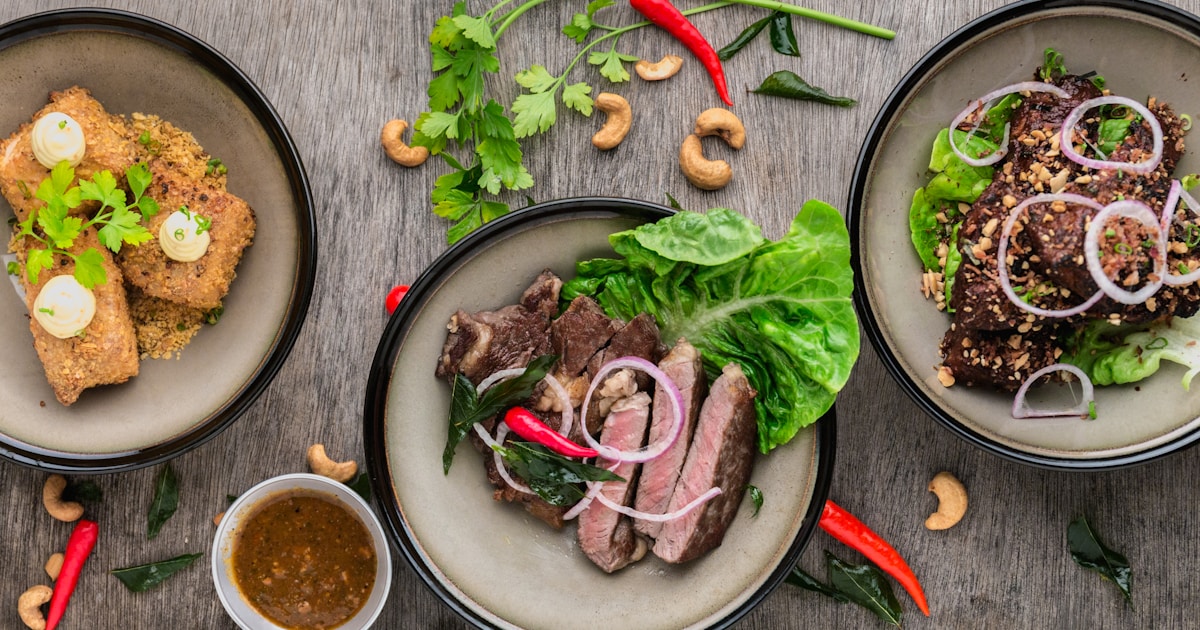
Japanese Wild Duck (Kamo) Guide
Prized game bird of Japanese haute cuisine
Prized game bird of Japanese haute cuisine
In the rarefied world of Japanese haute cuisine, few ingredients command the reverence reserved for wild duck, or kamo (鴨). This magnificent game bird represents the pinnacle of seasonal dining in Japan, where its brief appearance from November through February marks one of the most anticipated culinary events of the year. Unlike its domesticated cousins, wild kamo carries the essence of Japan's pristine wetlands and mountain streams, delivering a depth of flavor that has captivated discerning palates for centuries.
The Mystique of Magamo
Among the various species of wild duck found in Japanese waters, the mallard—known locally as magamo (真鴨)—reigns supreme. These magnificent birds, with their iridescent green heads and robust builds, represent the gold standard of wild waterfowl. Magamo spend their lives navigating Japan's complex network of rivers, lakes, and coastal marshlands, developing the dense, richly marbled meat that sets them apart from any farm-raised alternative.
The distinction is immediately apparent to those fortunate enough to taste authentic wild kamo. Where domesticated duck offers familiar richness, wild magamo presents a symphony of complexity—earthy, mineral-rich, with subtle notes that speak of mountain springs and wild grasses. The meat's texture is remarkably firm yet tender, a result of the bird's natural lifestyle of constant movement across diverse terrains.
Scarcity and Seasonality
The exclusivity of wild kamo stems from both natural cycles and regulatory precision. Japan's wild duck season runs strictly from November through February, aligning with the birds' migration patterns and breeding cycles. This narrow window creates an urgency among chefs and gourmands, who must plan their menus around nature's timetable rather than market convenience.
Adding to the mystique is the ingredient's extraordinary rarity in the commercial market. Only sixteen licensed providers across Japan handle wild kamo, making it one of the most exclusive proteins in the country's culinary landscape. These specialized purveyors maintain relationships with a select group of hunters and suppliers, ensuring that each bird meets the exacting standards expected by Japan's most prestigious restaurants.
Culinary Applications and Classic Preparations
Wild kamo's versatility in the kitchen belies its rustic origins. In the hands of skilled Japanese chefs, it transforms from woodland game into elegant haute cuisine through preparations that honor both the ingredient's natural character and centuries of culinary refinement.
Perhaps no dish better exemplifies this marriage of rustic and refined than kamo nanban soba. This classic pairing showcases wild duck alongside hand-cut buckwheat noodles in a delicate dashi-based broth. The duck is typically prepared as tender slices, often lightly seared to preserve its natural juices while adding a subtle smoky depth. The resulting dish represents Japanese cuisine at its most harmonious—the wild, gamey notes of the kamo balanced by the nutty earthiness of soba and the clean, oceanic undertones of properly prepared dashi.
Beyond this iconic preparation, wild kamo finds expression in numerous forms throughout Japan's culinary spectrum. High-end kappo restaurants might present it as delicate sashimi, the meat's firm texture lending itself beautifully to raw preparations when sourced from the finest specimens. Kaiseki establishments often feature kamo in seasonal courses, perhaps grilled over charcoal with a light glaze of sweet miso, or braised slowly in sake and soy to concentrate its already intense flavors.
The Flavor Profile
Understanding wild kamo requires abandoning preconceptions about duck as a protein. Where farmed duck tends toward uniform richness with predictable fat content, wild kamo offers a complexity that varies subtly with each bird's individual journey. The flavor is decidedly more pronounced—what the Japanese might describe as having greater umami depth—without being overwhelming or overly gamey.
The meat itself possesses a beautiful deep ruby color when raw, indicating the high iron content that contributes to its distinctive mineral notes. When properly prepared, it maintains a tender, almost silky texture while delivering waves of flavor that evolve on the palate. Initial notes of rich, clean meat give way to earthier undertones, often finishing with hints of the wild plants and aquatic vegetation that formed the bird's natural diet.
Cultural Significance and Modern Appreciation
In Japanese culinary culture, wild kamo represents more than mere ingredient—it embodies a connection to the natural world that industrialized food production has largely severed. The seasonal limitations and scarcity of wild kamo force both chefs and diners to approach it with reverence and intentionality, creating dining experiences that transcend simple nourishment.
This cultural weight has only intensified in modern Japan, where authentic wild ingredients become increasingly precious. For many diners, a meal featuring genuine wild kamo represents not just luxury dining but a tangible connection to Japan's natural heritage and culinary traditions.
Sourcing and Availability
For those seeking to experience authentic wild kamo, patience and planning prove essential. The limited number of licensed providers means that even top-tier restaurants must often reserve their allocations well in advance of the season. Home cooks face even greater challenges, as most wild kamo never reaches retail markets, instead flowing directly from suppliers to professional kitchens.
The investment required—both financial and temporal—reflects the true nature of this ingredient. Wild kamo commands premium pricing not merely for its exclusivity, but for the complex network of hunters, processors, and distributors required to bring it from Japan's remote wetlands to the plates of discerning diners.
In the landscape of Japanese haute cuisine, wild kamo stands as a testament to the enduring appeal of ingredients that cannot be mass-produced, replicated, or rushed. It represents dining as it was meant to be—seasonal, scarce, and deeply connected to the natural world that sustains us.
Related Reading:
- Wild Duck in Japanese Fine Dining
- Where to Source Wild Duck in Japan"}],"stop_reason":"end_turn","stop_sequence":null,"usage":{"input_tokens":3,"cache_creation_input_tokens":419,"cache_read_input_tokens":7632,"output_tokens":1350,"server_tool_use":{"web_search_requests":0,"web_fetch_requests":0},"service_tier":"standard","cache_creation":